
From Tairāwhiti to Yerevan, Renee Raroa carries the Pacific to the Nature and Culture Summit
IEG's Pacific Regional Chair on why conservation and cultural survival are the same project.
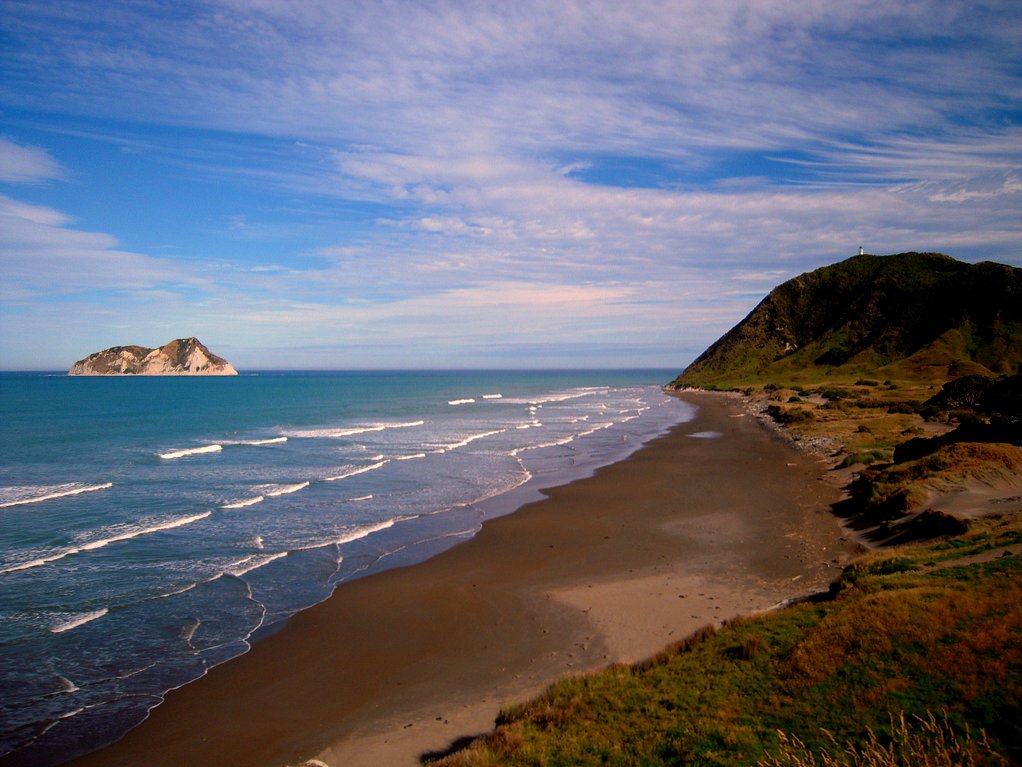
The East Coast of Te Ika-a-Māui (the Māori name for the North Island of New Zealand) is a place where the connection between a people and a landscape is not an abstraction. It is a relationship with obligations that are enduring, even though the region has been tested hard by a decade of extreme weather challenges.
IEG Pacific Regional Chair Renee Raroa will represent the organisation at the parallel Nature and Culture Summit during CBD COP17.
Renee is Establishment Director of the East Coast Exchange (ECX) in Aotearoa New Zealand, where her work has centred on practical learning: how to move adaptation finance to the communities doing the adapting, and how to embed Indigenous worldview frameworks into the way natural assets are governed rather than the way they are described.
Key themes of the address
- Rights of Nature and Mother Earth. Growing ancestral connections through governance and market participation that holds up to an intergenerational standard.
- Bridging cultural and ecological systems. How traditional ecological knowledge improves biodiversity reporting and conservation outcomes, measurably.
- Empowering community adaptation. Frontline insight from climate resilience work in the Tairāwhiti region.
Renee’s participation contributes a core IEG tenet to the Summit: nature restoration and cultural identity are not two agendas that benefit each other. They are one agenda.
IEG acknowledges the East Coast Exchange (ECX) and the Tairāwhiti communities whose adaptation work informs this address.
Image: East Cape and East Island by Mark in New Zealand, via Wikimedia Commons, CC BY-SA 2.0.